How to Build a Morning Practice for Inner Alignment
Aligned Essence Studio

You wake up, and before your eyes are fully open, your hand is already reaching for your phone. Within minutes you are pulled into someone else's opinion, someone else's crisis, someone else's timeline for your life. By the time you sit up, you already feel behind, scattered, or slightly anxious, and you have not even brushed your teeth yet.
This is the exact opposite of alignment. And it is why so many spiritual explorers and life changers say the same thing to me: I meditate sometimes, I journal sometimes, but I still start most days feeling disconnected from myself. A morning practice for inner alignment is not about becoming a different person who wakes up at 5am glowing with certainty. It is about giving yourself ten to thirty minutes where you check in with your own internal compass before the world gets a vote on how you feel.
What a Morning Practice for Inner Alignment Actually Does
Alignment is not a mood. It is not the same as feeling happy or calm. Alignment is the felt sense that your thoughts, your body, and your actions are pointing in the same direction. You can be nervous and aligned. You can be tired and aligned. What you cannot be is reactive and aligned at the same time.
A morning practice works because it interrupts the automatic pattern of waking up and immediately outsourcing your attention. Instead, you claim the first few minutes for yourself, on purpose, before anything else has a chance to define your state.
Why Most Morning Routines Fall Apart Within a Week
Most people do not fail at morning practices because they lack discipline. They fail because the routine was borrowed from someone else's life. A twenty-minute meditation, a cold plunge, a gratitude list, a workout, and a green juice sounds beautiful on a podcast and impossible on a Tuesday when you have thirty minutes before you need to leave the house.
Here is the pattern I see most often with clients who are trying to build consistency:
- The routine is too long, so it gets skipped entirely on busy days.
- It is tied to willpower instead of identity, so it disappears the moment motivation dips.
- There is no flexible version, so one missed day turns into two weeks of feeling like a failure.
- It focuses only on the mind, ignoring the body's signals completely.
A sustainable morning practice for inner alignment needs to be simple enough to survive a bad night of sleep and flexible enough to expand or shrink depending on your day.
How to Build a Morning Practice for Inner Alignment Step by Step
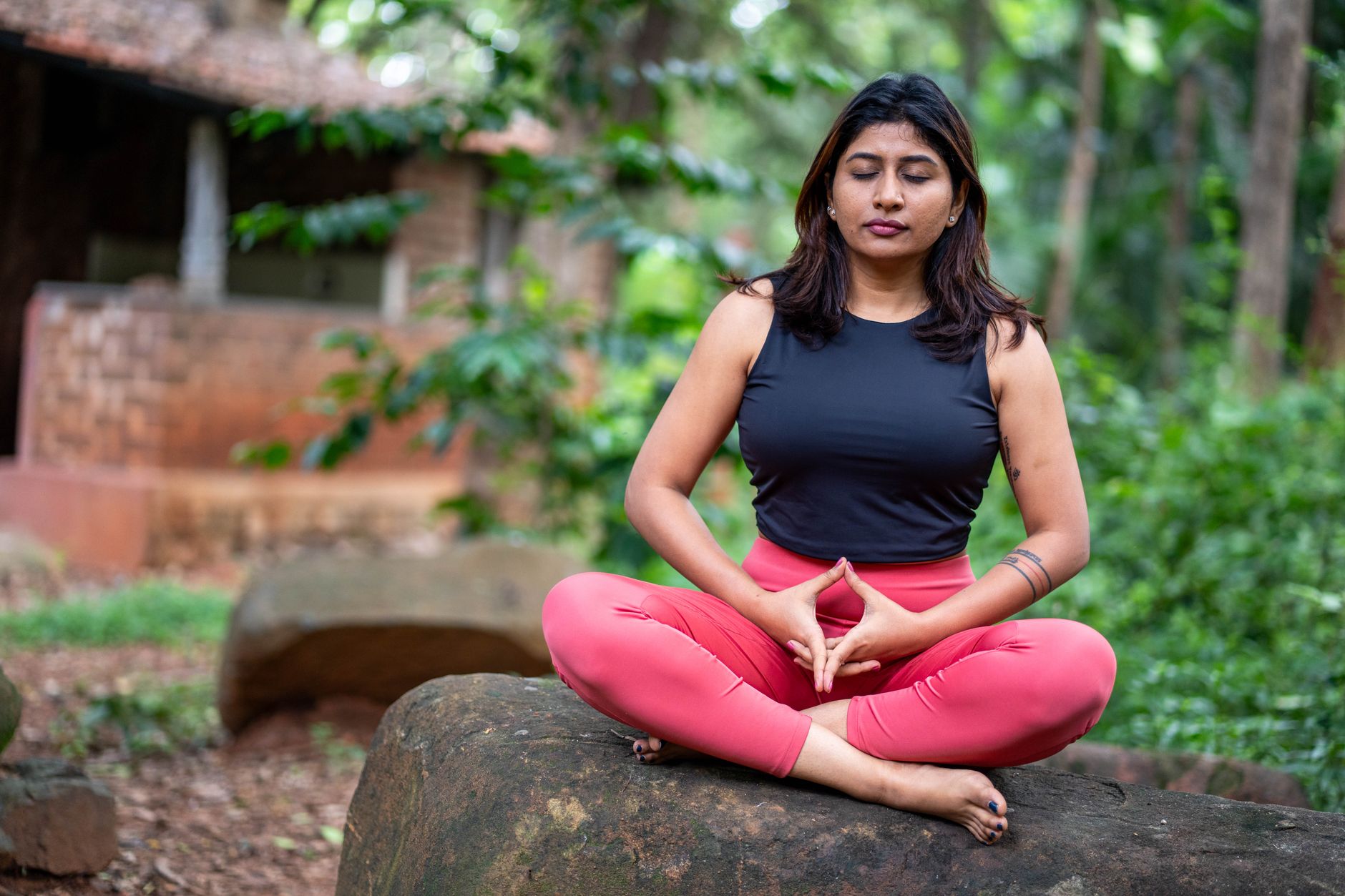
Step 1: Protect the First Ten Minutes
Before anything else, decide that the first ten minutes after waking belong to you, not to your notifications. This does not require a phone ban forever. It requires one boundary: phone stays in another room, or on airplane mode, until you have completed your practice. This single change does more for alignment than any technique you could add on top of it.
Step 2: Check In With Your Body Before Your Mind
Your mind will try to start narrating the day immediately. Before you let it, take sixty seconds to notice your body. Are your shoulders tense already? Is your jaw tight? Is your breathing shallow? This is not about fixing anything yet. It is about gathering honest information, because your body usually knows how you are doing before your thoughts catch up.
Step 3: Choose One Intention, Not a List
Spiritual explorers often over-plan their mornings with affirmations, gratitude lists, visioning, and journaling all at once. That is a lot to sustain daily. Instead, pick one single intention for the day. It can be a word, like steady, or a short phrase, like I respond instead of react. One intention is easy to remember and easy to return to when the day gets messy.
Step 4: Include a Nervous System Reset
Alignment cannot happen in a nervous system stuck in fight or flight. This does not need to be complicated. Five slow breaths, with a longer exhale than inhale, is enough to signal safety to your body. If you have more time, add gentle stretching or a short walk outside. The goal is regulation, not performance.
Step 5: Close With a Written Reflection
Before you move into the rest of your day, write one or two sentences. Not a full journal entry, just enough to notice what is true for you right now. This closes the loop on the practice and gives you a record to look back on when you want to see how far you have come.

Morning Practice Options Based on Time Available
One reason morning practices fail is that people design them for a version of their day that rarely exists. Use this as a flexible menu instead of a rigid script.
| Time Available | Practice | Purpose |
|---|---|---|
| 5 minutes | Phone away, five slow breaths, one intention word | Interrupt the automatic reach for distraction |
| 15 minutes | Body check-in, breathwork, one intention, two-line reflection | Build the full alignment loop without rushing |
| 30 minutes or more | All of the above plus movement, journaling, or quiet meditation | Deepen the practice on days with more space |
The goal of a morning practice is not perfection. It is consistency that reconnects you to yourself before the world gets a vote on how your day will go.
What to Do When You Miss a Morning
You will miss mornings. You will oversleep, travel, get sick, or simply forget. This is where most people quit, because they treat one missed day as proof the practice does not work for them.
Instead, treat a missed morning as data, not failure. Ask yourself what got in the way, and adjust the practice so it fits reality better. If fifteen minutes keeps getting skipped, drop to the five minute version until it becomes automatic again. A practice that bends without breaking is one you will actually keep for years, not weeks.
Let This Practice Support the Bigger Picture
A morning practice is not the whole journey. It is the daily anchor that makes deeper work possible, whether that is processing a spiritual awakening, shifting long-held mindset patterns, or getting clear on the next chapter of your life. Inside Aligned Essence Studio, this kind of daily anchor is one piece of a larger accountability system built through one-on-one coaching, the membership space, and structured guided work, so the insights from your mornings do not stay stuck in your journal.
Start small tomorrow morning. Protect ten minutes. Notice your body. Choose one intention. That is enough to begin building the version of your mornings that actually reflects who you are becoming.

